

Peripheral
- GORE® VIABAHN® Endoprosthesis with Heparin Bioactive Surface
- GORE® VIABAHN® VBX Balloon Expandable Endoprosthesis
- GORE® VIATORR® TIPS Endoprosthesis
- Luminor Paclitaxel eluting PTA balloon dilatation catheter
- iVolution pro Self-expanding peripheral stent system
- Sergeant supporting catheter
- Oceanus PTA Peripheral Balloon
- CO2 Injector

- GORE® VIABAHN® Endoprosthesis with Heparin Bioactive Surface
- GORE® VIABAHN® VBX Balloon Expandable Endoprosthesis
- GORE® VIATORR® TIPS Endoprosthesis
- Luminor Paclitaxel eluting PTA balloon dilatation catheter
- iVolution pro Self-expanding peripheral stent system
- Sergeant supporting catheter
- Oceanus PTA Peripheral Balloon
- CO2 Injector
GORE® VIATORR® TIPS Endoprosthesis
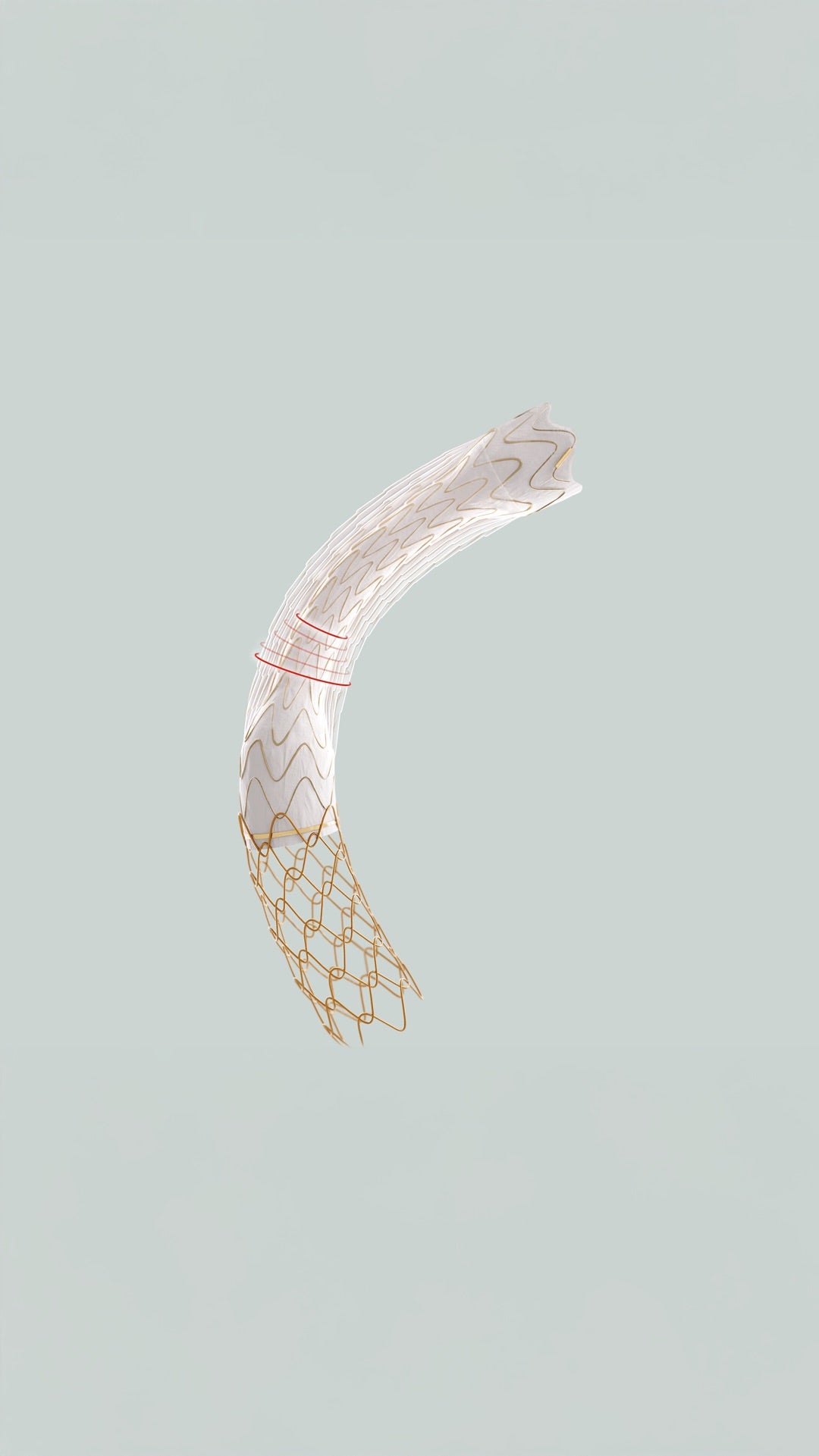
Purpose-built for TIPSThe only covered stent for TIPS with controlled expansion and 25 years of performance and safety data.aBuilt for lasting performanceThe VIATORR® Device allows you to tailor the diameter and target a portal pressure gradient for each patient’s needs.Select a device feature to learn more. 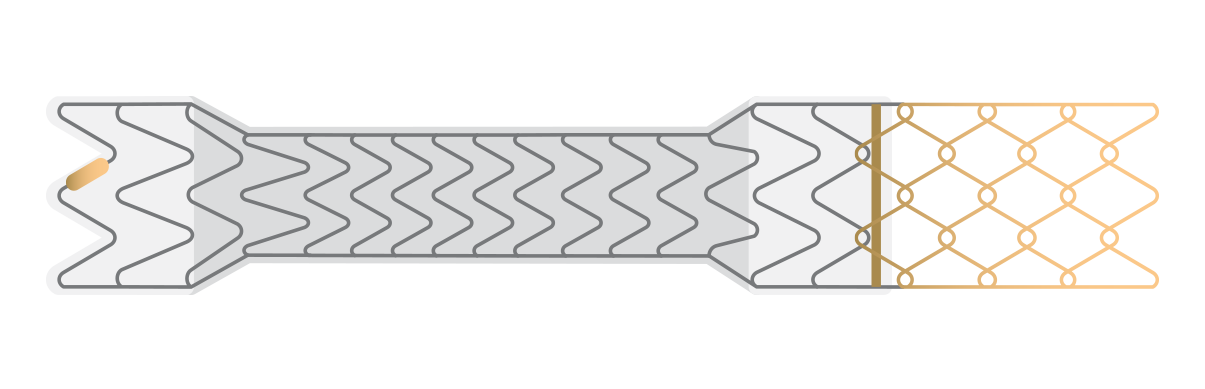
ALTA-recommended for TIPS placement The American Liver Therapeutic Approaches (ALTA) group recommends "the use of an ePTFE-lined stent graft with controlled expansion, which allows the operator to tailor the amount of portosystemic shunting based on the indication, target gradient and patient comorbidities.”1 Built for long-term results76%
Two-year primary patency2 The VIATORR® Device was proven to maintain TIPS patency over time in a randomized controlled study (N = 80)2 Built for improved outcomesPatients treated with the VIATORR® Device have a higher one-year survival than those treated with non-TIPS therapy.1,3,4Variceal bleeding outcomesEarly TIPS compared to drug therapy plus endoscopic band ligation (EBL) for variceal bleeding4 86%1-year survival following early TIPS procedure with the VIATORR® Device, compared to 61% 1-year survival following pharmacotherapy plus endoscopic band ligation (P < 0.001)c,4 97%1-year control of bleeding following early TIPS procedure with the VIATORR® Device, compared to 50% 1-year survival following pharmacotherapy plus endoscopic band ligation (P < 0.001)d,4 0No increase in the risk of hepatic encephalopathy at 1 year, compared to pharmacotherapy plus endoscopic band ligation (P = 0.13)4 Refractory ascites outcomesEarly TIPS compared to large volume paracenteses (LVP) and albumin for refractory ascites3 
Improved survival TIPS with the VIATORR® Device demonstrated higher transplant-free survival (93%), compared to large volume paracenteses (LVP) and albumin infusion (52%) (P = .003)3 
Fewer paracenteses with 1 paracentesis procedure required to treat ascites following placement of the VIATORR® Device, compared to 10 procedures with paracentesis treatment alone3 
No increase in the risk of hepatic encephalopathy at 1 year, compared to LVP and albumin infusion (P = .868)3 |
 |